Blog
Business Phone System
Warm Transfer: What It Means and When to Use It

Warm Transfer: What It Means and When to Use It
Learn what a warm transfer is, how it works, how it differs from a cold transfer.



How many times have you called a company’s customer service, explained your issue in detail, only to be transferred to another agent and forced to repeat the whole story again? Frustrating, isn’t it? This back-and-forth wastes time, causes confusion, and leaves callers feeling unheard.
A warm transfer is designed to solve this problem. Instead of simply passing your call along, the first agent shares the necessary context with the next representative, ensuring a smoother and more personal experience.
In this article, we’ll explain what a warm transfer is, how it works, how it differs from a cold transfer, and how to use it effectively in your business.
What is a Warm Transfer?
A warm transfer, also known as an attended transfer, occurs when an agent who initially answers a call transfers it to another, more suitable agent, while sharing all the details gathered from the caller.
For example, imagine a customer calling an online store’s support line for help with a return. The first agent listens, confirms the issue, and then connects the customer to the returns specialist, briefing them beforehand so the customer doesn’t have to repeat their story.
What Really Happens During a Warm Transfer
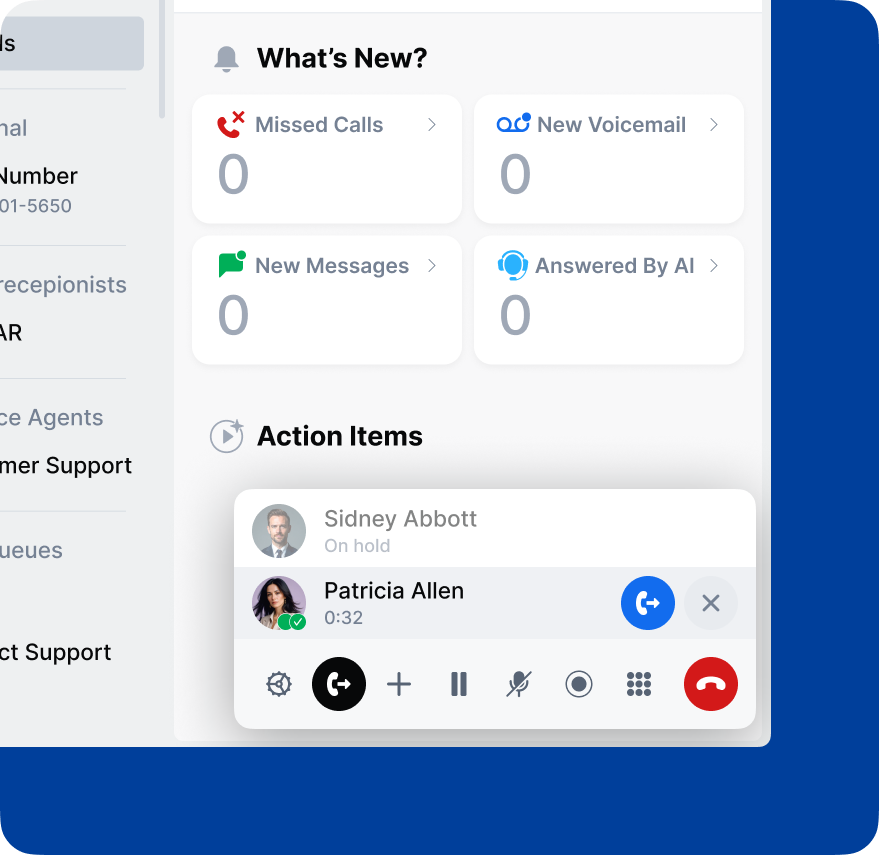
Here’s how a warm transfer typically works step by step:
- The first agent answers the call and listens carefully to understand the customer’s issue.
- They may ask a few clarifying questions to gather all necessary details, depending on the company’s internal process.
- If the issue requires another department or specialist, the agent explains to the caller that their call will be transferred to someone who can best assist them.
- The customer is then placed on a brief hold, usually with hold music playing.
- While the caller is on hold, the first agent warm transfers the call to the next agent by explaining the situation and shares all relevant context.
- Once the second agent is ready, the first agent connects the call and drops off the line.
- The caller continues the conversation with the new agent, who already knows the details and can pick up where things left off.
Example of a Warm Transfer Script
Here’s a sample conversation showing how a warm transfer should sound in practice:
Agent 1 (to the caller): “Thank you for explaining that, [Customer Name]. I want to make sure you get the best help possible, so I’ll transfer you to our [Department/Expert Name], who specializes in this type of issue. Before I do, I’ll briefly explain your situation to them, so you won’t have to repeat yourself. You may hear short hold music while I connect you, so please stay on the line.”
(Agent 1 places the customer on hold and speaks to Agent 2.)
Agent 1 (to Agent 2): “Hi [Agent 2 Name], I have [Customer Name] on the line. They’re calling about [brief description of the issue]. They’ve already [summarize what’s been discussed or steps taken so far], and it looks like they’ll need your help with [specific issue or next step].”
(Agent 2 confirms they’re ready to take the call.)
Agent 2 (new agent): “Hi [Customer Name], this is [Agent 2 Name] from [Department]. I understand you’re calling about [problem summary]. Let’s take a look together and get this resolved for you today.”
Warm Transfer vs Cold Transfer: Which is Better?
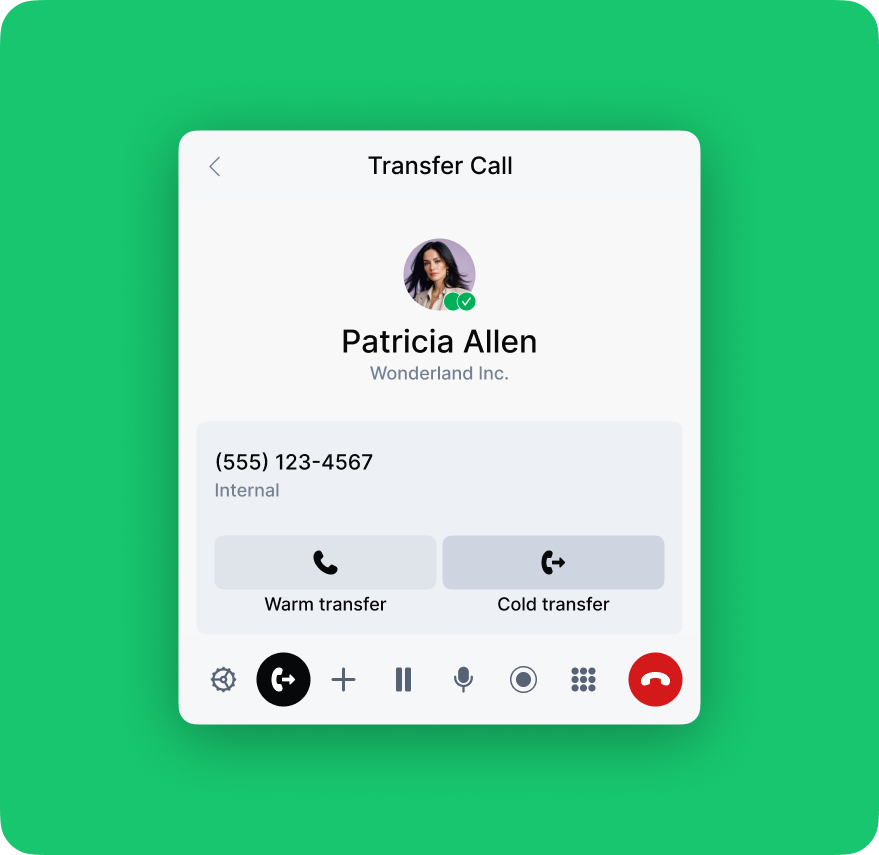
Both methods involve transferring a call from one agent to another, but the difference lies in how much context is shared.
In a cold transfer, the first agent passes the call directly to another agent or department without any introduction or explanation. While this method is faster, it’s often less personal and can easily frustrate customers. In some cases, callers may be transferred to the wrong or unavailable agent and end up in voicemail, leaving their issue unresolved.
In a warm transfer, the first agent provides background information before connecting the caller. This ensures the next agent knows what the call is about and can continue the conversation smoothly. While warm transfers take slightly longer, they significantly improve customer satisfaction and issue resolution rates.
Ultimately, both methods have their place. Cold transfers are useful for quick routing of simple calls, while warm transfers are best for complex or sensitive situations where context matters.
Pros and Cons of Warm Transfers
Using warm transfers in your business has both advantages and drawbacks. Here’s a breakdown of the key pros and cons:
Benefits of Warm Transfer
- Improves customer experience: Call transfers can be frustrating, but when a caller only has to explain their situation once, the experience improves significantly. A warm transfer shows that your team values the customer’s time and ensures a smoother, more personal interaction.
- Increases call resolution efficiency: If you manage a call center, resolving customer issues quickly and efficiently is a top priority. Warm transfers make this easier by ensuring that calls are directed to the most qualified agent right away. The next agent already has the context they need, allowing them to focus on solving the problem rather than gathering background details.
Drawbacks of Warm Transfer
- Increases call handling time: Warm transfers take slightly longer since the first agent must brief the next one before connecting the caller. While this improves quality, it can reduce the number of calls handled per hour.
- Requires available staff: Warm transfers require another agent to be available right away. In smaller teams or during peak hours, this can be challenging and may lead to longer hold times.
- Needs proper training: Agents need proper training to perform warm transfers effectively. This includes knowing what details to share, how to communicate professionally while placing a caller on hold, and how to use the phone system correctly. Without this training, agents might accidentally disconnect calls or fail to provide key context, which undermines the purpose of the transfer.
When Should You Use Warm Transfers?
Warm transfers are most effective when used in the right situations, especially when context, care, or continuity matter. Here are a few examples:
- When the issue is complex or needs escalation: If a caller has already explained their problem but it requires specialized support, the first agent can use a warm transfer to escalate the call smoothly. This ensures the next agent understands the full situation and can pick up where the previous one left off.
- When an agent needs assistance from a colleague: If the first agent is unable to resolve the issue on their own, a warm transfer allows them to bring in a more experienced teammate without making the caller start over.
- When speaking with VIPs or key clients: Warm transfers help maintain a high level of professionalism and show extra care. Personally introducing a valued client to the next representative creates a white-glove experience that strengthens relationships.
- When the customer is upset or frustrated: In emotionally charged situations, a warm handoff helps calm the caller. By providing context to the next agent, the customer feels heard and doesn’t have to relive their frustration by repeating details.
Best Practices for Effective Warm Transfers
A well-executed warm transfer can make the difference between a frustrated caller and a satisfied customer. Here are some best practices to ensure your team handles transfers professionally:
- Inform the caller and ask for permission before transferring the call: Never transfer a caller without explaining what’s happening. Let them know why the transfer is needed, who they’ll be speaking with next, and ask for their consent. This transparency builds trust and helps the caller feel valued.
Example: “I’d like to connect you with our billing specialist who can best assist you with this issue. Is it okay if I transfer you now?”
- Confirm key details before the transfer: Before putting the caller on hold, double-check essential information like their name, contact details, and the reason for the call. Summarize their issue to ensure accuracy. This helps the next agent step in with confidence and continue the conversation seamlessly.
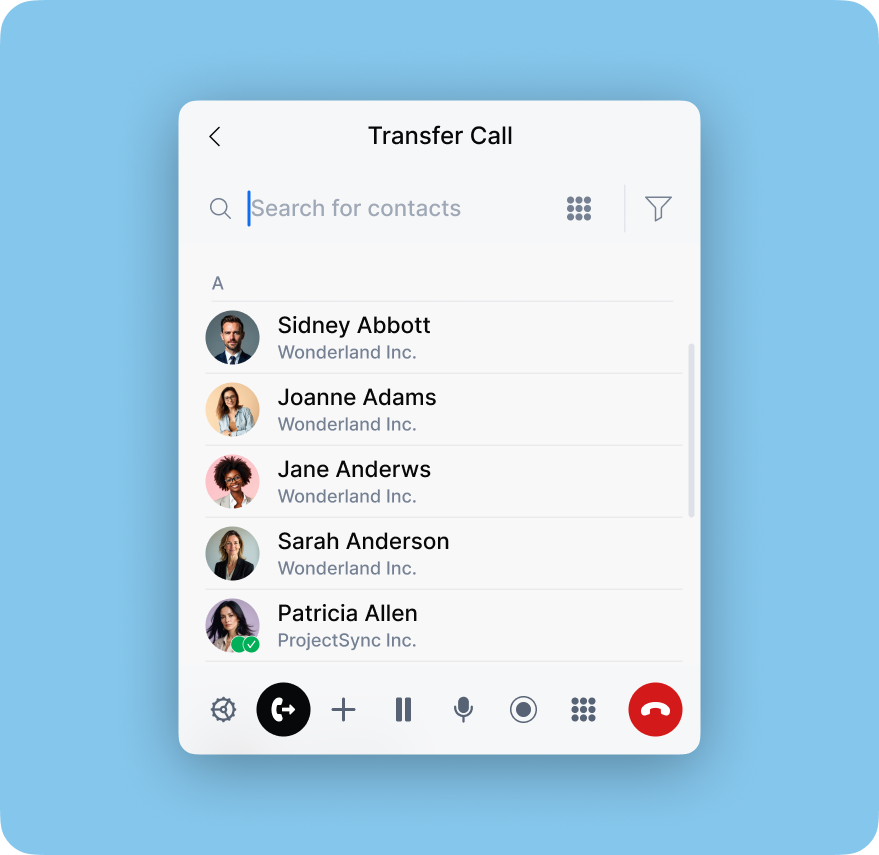
- Use the right warm transfer solution: Even the best-trained agents need the right technology to make transfers smooth and seamless. Whether you’re managing a small team or running a full call center and looking for affordable call queue management systems with warm transfer capabilities, a reliable phone system with built-in warm transfer tools is essential. Modern business phone systems like DialLink make it easy to see who’s available, share call context instantly, and hand off callers without interruptions, creating a seamless experience for both agents and customers.
Conclusion
At first glance, a warm transfer may seem like a small detail, but it can dramatically improve your customer support experience by adding a personal touch to every interaction. When the next agent already knows the caller’s issue, it saves time, reduces frustration, and leaves a lasting positive impression. Still, even the most skilled agents need the right tools to make this process seamless.
With DialLink’s business phone system, handling both warm and cold transfers becomes effortless. Even though call transfers are a natural part of customer service, DialLink’s comprehensive call management features, such as an auto receptionist, IVR menus, intelligent call routing, ring groups, and call forwarding, help ensure every call is directed to the right person promptly and professionally.
A warm transfer is when the first agent speaks to the next agent before connecting the caller, sharing key details about the issue so the customer doesn’t have to repeat themselves.
Yes, in most cases. Warm transfers are more advanced because the next agent already knows the context and can resolve the issue faster. Cold transfers are quicker to perform but can frustrate callers if they’re sent to the wrong person or have to repeat their story.
In a call center, a warm transfer happens when the first representative introduces the caller and provides background information to the next agent or department. This ensures a seamless handoff and helps maintain a professional, customer-focused experience.
Use a cold transfer for quick, straightforward issues when no additional explanation is needed. Use a warm transfer when the issue is complex, requires escalation, or involves an upset or high-value customer who would benefit from a more personal handoff.
Featured Tags
Share


Arina Khoziainova
Content Writer at DialLink
Arina is a content writer with over 7 years of experience in the IT industry. At DialLink, she creates clear, insightful content that helps small business and startup owners simplify communication and drive growth using modern tools. With a strong focus on practical value, Arina transforms complex topics into accessible, actionable stories.

Keep Reading

Google Voice Auto Attendant: What It Is and How It Works
Explore how Google Voice auto attendant works and whether it’s right for your small business.
December 22, 2025
9 minutes

Understanding Inbound Calls and How to Handle Them
Learn what inbound calls are, why they matter, and how to handle them efficiently.
November 27, 2025
11 minutes

Cold Transfer Explained: When to Use and When to Avoid It
Read what cold transfer is, how it differs from a warm transfer, and when it should be used.
November 25, 2025
9 minutes

Understanding Call Management: How It Works and Why It Matters
Learn what call management is, discover its key components, and find out whether your business needs one.
November 11, 2025
9 minutes

Hosted VoIP Explained: The Non-Technical Guide for Businesses
Explore what hosted VoIP is, how it works, and why more businesses are switching to hosted VoIP systems.
October 21, 2025
13 minutes
What Is a VoIP Phone System?
Read about what a VoIP phone system is, how it outperforms traditional setups, and the main ways it’s used in everyday communication.
October 20, 2025
16 minutes

What Is a Virtual Phone System?
Learn what a virtual phone system is, how it works, and why it’s becoming the preferred communication solution for modern businesses.
October 17, 2025
10 minutes
What is Cloud Contact Center? Benefits, Features, and How It Works
A cloud-based call center offers small businesses a flexible and cost-effective alternative to traditional setups. Let’s explore what it is and how it operates.
September 18, 2025
14 minutes