Blog
Business Phone System
Cold Transfer Explained: When to Use and When to Avoid It

Cold Transfer Explained: When to Use and When to Avoid It
Read what cold transfer is, how it differs from a warm transfer, and when it should be used.



Even with the best call routing in place, sometimes calls still land with the wrong person. Maybe a customer clicked the wrong menu option or asked for the wrong department. It happens to everyone, from busy call centers to small teams with a few agents.
Cold transfer helps fix this. It allows your team to quickly pass a call to another person without needing to rehash the entire conversation. Done right, it keeps your communication flowing smoothly and saves everyone’s time, both your team and your callers.
In this article, we’ll break down what cold transfer is, how it differs from a warm transfer, and when it should be used.
What is a Cold Transfer?
A cold transfer, also known as a blind transfer, is a type of call transfer where one person passes a call to another person without giving any prior introduction or context to that agent. In this context, the “cold” means the new agent has no information about the caller’s issue beforehand.
How Does a Cold Transfer Actually Happen?
In theory, a cold transfer can occur during both incoming and outgoing calls. But in most cases, it happens when an incoming call reaches the wrong person. Maybe the issue belongs to another department, or the caller simply misdialed.
At that point, the person who answered has two choices:
- Ask the caller to hang up and try calling another number (which rarely ends well), or
- Quickly transfer the call to the right person or team, and that’s where a cold transfer saves the day.
Here’s what the process usually looks like:
- A caller reaches out for help.
- The first person who answers realizes they’re not the right contact.
- Without introducing the caller or providing background, they transfer the call to another person.
- As soon as the new recipient picks up, the initial agent hangs up.
- The second agent answers the call with no context and starts the conversation from scratch.
This is the typical flow of a cold transfer. However, the exact steps can vary depending on your phone system.
For instance, if you’re using a modern business phone system like DialLink, your team can see the real-time availability of other agents before transferring a call. That way, they know who’s free and can make smarter routing decisions. Plus, if the next agent takes a few seconds to pick up, the system can automatically play hold music or an informational message, keeping the caller engaged and improving their experience.
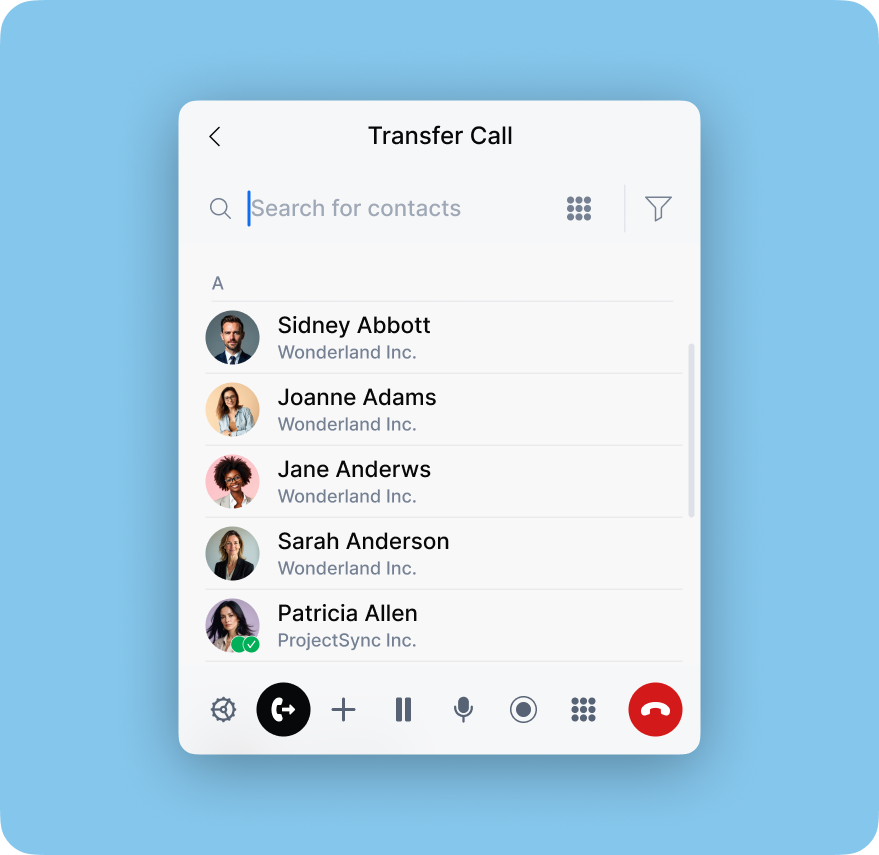
Warm Transfer vs Cold Transfer
While both are types of call transfers, they differ in how much context is shared between agents.
A warm transfer, also known as an attended transfer, happens when the first agent speaks with the next agent before connecting the caller. In other words, the agents exchange a brief introduction or summary of the issue, so the customer doesn’t have to repeat the information. This ensures a smoother handoff, as the receiving agent already knows who the caller is and what they need.
As mentioned above, a cold transfer, on the other hand, involves no prior communication. The call is simply passed on to another agent or department, and the second person starts the conversation without any context. The difference between the two is essentially context versus no context.
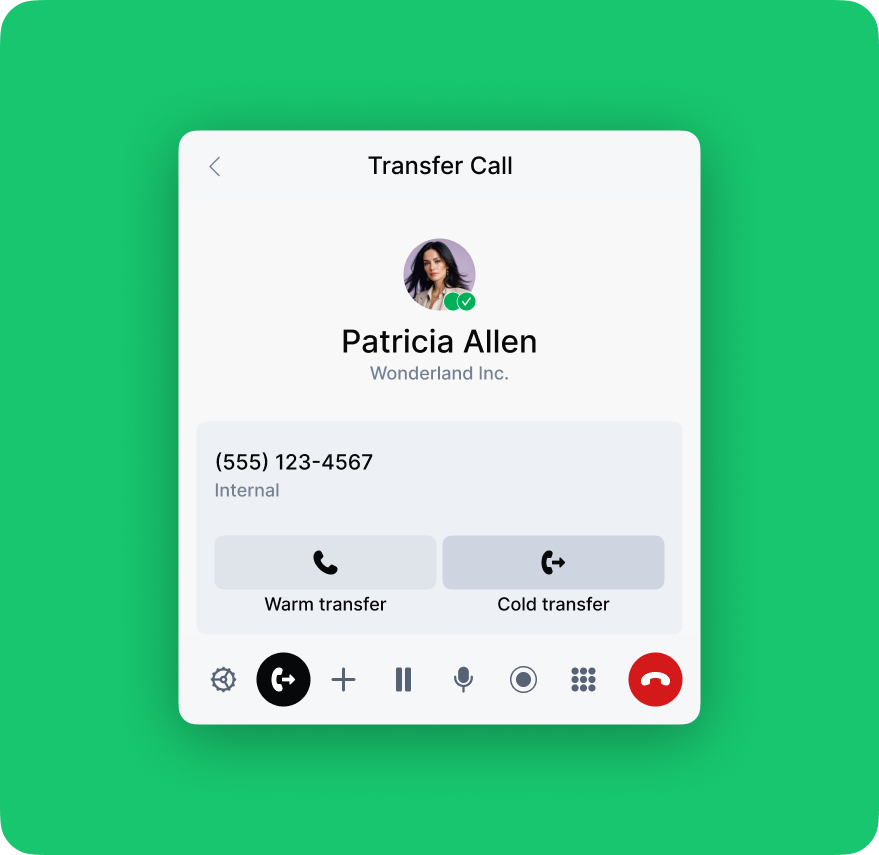
It’s widely believed that warm transfers are the best type of call transfer because they create a better customer experience. Callers feel supported since they don’t need to repeat their situation, and they appreciate when the first agent takes a moment to introduce them or ensure a smooth handoff.
However, there are times when a cold transfer is the more practical choice, especially when speed and efficiency matter more than sharing context.
Pros and Cons of Cold Transfer
Using cold transfers in your business has both advantages and drawbacks. Here’s a breakdown of the key pros and cons:
Benefits of Cold Transfers
- Speed and efficiency: Cold transfers are faster since the first agent doesn’t spend extra time briefing the next person. This allows for quicker call handling in simple cases and helps agents move on to assist the next customer sooner. As a result, teams can handle a higher volume of calls in less time, improving overall productivity.
- Minimal hold time for the caller: Because the transfer happens instantly, callers typically spend less time on hold compared to warm transfers, where the first agent pauses to brief the next one. If the request is straightforward, such as connecting to a specific person or department, the transfer can happen almost immediately.
- Simpler for staff: Cold transfers are easy to perform, usually just a button press or dialing an extension. They require little training and don’t tie up two employees on a single call.
Drawbacks of Cold Transfers
- Customers have to repeat information: Since the new agent receives the call with no background, the caller often has to re-explain their issue or repeat details. This can lead to frustration and extend the total call duration, offsetting the time saved for the team.
- Lack of context for the receiving agent: Without any prior handoff, the receiving agent might not know how to assist the customer right away. In some cases, the call may even reach the wrong person, leading to yet another transfer. This lack of preparation can result in confusion, longer handling times, and inconsistent service quality.
- Impersonal experience for the customer: Cold transfers can feel abrupt. The caller may feel like they’re being passed around rather than personally assisted. Since the second agent has no context, the conversation often starts from zero with a generic greeting. This can make the interaction feel transactional instead of customer-focused.
- Potential drop in satisfaction: Because of the factors above, excessive reliance on cold transfers can negatively impact customer satisfaction. Callers may feel that their time isn’t respected or that they’re not being properly helped. In surveys, “being transferred without context” consistently ranks among the top customer frustrations.
- Risk of dropped or misrouted calls: If not handled carefully, cold transfers can lead to calls landing in voicemail or the wrong extension. Since the first agent doesn’t stay on the line to confirm a successful handoff, there’s a higher risk that the caller will be left waiting or disconnected.
When To Use a Cold Transfer?
The main advantage of a cold transfer is saving time and effort for the initial agent. Cold transfers are best used when the priority is to quickly connect the caller to someone else, and when the situation is simple enough that skipping an introduction won’t hurt the customer experience. Let’s look at when a cold transfer is the right choice:
- When a caller requests a specific person or department: If a customer asks to speak directly with a particular employee or team, a quick cold transfer can be perfectly appropriate. For example, when a caller says, “Can I talk to John in Sales?”, the receptionist can transfer the call straight to John’s line without further discussion. In this scenario, the caller expects a direct connection, and a warm introduction isn’t necessary.
2) When a call reaches the wrong department: It’s common for calls to land in the wrong place. For instance, a customer with a technical issue might reach the sales team by mistake. In this case, the first person who answers can simply say, “Let me transfer you to our support team,” and pass the call along. This ensures the customer reaches someone better equipped to help, without unnecessary delays.
3) During high call volumes or urgent situations: In busy environments like call centers, cold transfers help route calls to available agents without requiring prior communication. This reduces wait times and prevents bottlenecks, allowing the team to handle a higher volume of calls efficiently. Customers are connected faster and spend less time on hold.
The same applies in urgent or time-sensitive situations, where holding a call to provide explanations isn’t practical. A quick cold transfer ensures the caller reaches the right person immediately, keeping service fast and responsive.
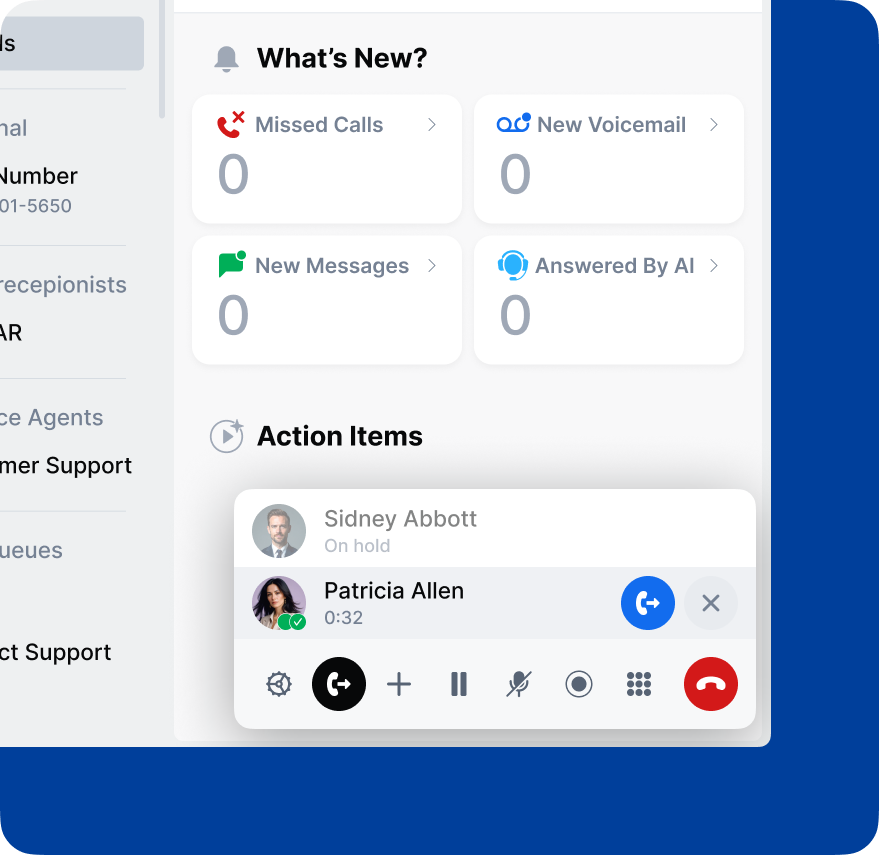
Tools and Tips for Better Cold Transfers
While a cold transfer might seem like a simple process, doing it thoughtfully can make a big difference in the caller’s experience. Here are a few best practices to keep in mind:
- Inform the customer before transferring: Always let the caller know that you’re transferring their call and explain why. A short message like, “I’m transferring you to our billing team who can assist with this,” sets clear expectations and avoids confusion when a new person answers.
- Transfer to someone who’s available: Before transferring, make sure the receiving agent or department is actually available. Modern phone systems like DialLink display real-time presence indicators showing who’s busy, on a call, or free to take one. This helps prevent transfers that end up in voicemail or go unanswered.
- Use on-hold music or messages to engage callers: If there’s a short wait during the transfer, play hold music or short branded messages. This keeps callers engaged and lowers the chance of call abandonment.
- Use a modern phone system to transfer calls: As simple as a cold transfer may seem, plenty can go wrong, especially on the technical side. Adopting a reliable business phone solution, such as a VoIP phone system, helps ensure every call transfer is smooth and consistent. Modern systems minimize connection issues, reduce dropped calls, and make it easier for your team to manage transfers with just a few clicks.
Conclusion
Cold transfer is a common way to pass calls between team members. While it’s often seen as the least customer-friendly transfer method, it does have its advantages, especially when speed and efficiency are the priority. Still, if not handled properly, it can lead to confusion or a fragmented caller experience.
With DialLink’s business phone system, you don’t have to worry about how your call transfers are managed, whether they’re cold or warm. Although call transfers are inevitable, DialLink’s full suite of call management features, such as an auto receptionist, IVR menus, call routing, ring groups, and call forwarding, helps ensure every call reaches the right person without unnecessary transfers.
A cold transfer is when a call is passed from one person to another without any prior communication or context shared between them. The new agent receives the call “cold,” meaning they start the conversation without background information about the caller or their issue.
Yes. Cold transfer and blind transfer mean the same thing. Both refer to transferring a call without providing context to the next person. In both cases, the receiving agent has no prior warning or details about the caller’s issue.
The difference comes down to context. In a warm transfer, the first agent briefly speaks with the next agent or stays on the line to introduce the caller before handing off the call. In a cold transfer, no such communication takes place. The call is passed directly, and the second agent starts from scratch.
Featured Tags
Share


Arina Khoziainova
Content Writer at DialLink
Arina is a content writer with over 7 years of experience in the IT industry. At DialLink, she creates clear, insightful content that helps small business and startup owners simplify communication and drive growth using modern tools. With a strong focus on practical value, Arina transforms complex topics into accessible, actionable stories.

Keep Reading

Google Voice Auto Attendant: What It Is and How It Works
Explore how Google Voice auto attendant works and whether it’s right for your small business.
December 22, 2025
9 minutes

Understanding Inbound Calls and How to Handle Them
Learn what inbound calls are, why they matter, and how to handle them efficiently.
November 27, 2025
11 minutes

Warm Transfer: What It Means and When to Use It
Learn what a warm transfer is, how it works, how it differs from a cold transfer.
November 26, 2025
8 minutes

Understanding Call Management: How It Works and Why It Matters
Learn what call management is, discover its key components, and find out whether your business needs one.
November 11, 2025
9 minutes

Hosted VoIP Explained: The Non-Technical Guide for Businesses
Explore what hosted VoIP is, how it works, and why more businesses are switching to hosted VoIP systems.
October 21, 2025
13 minutes
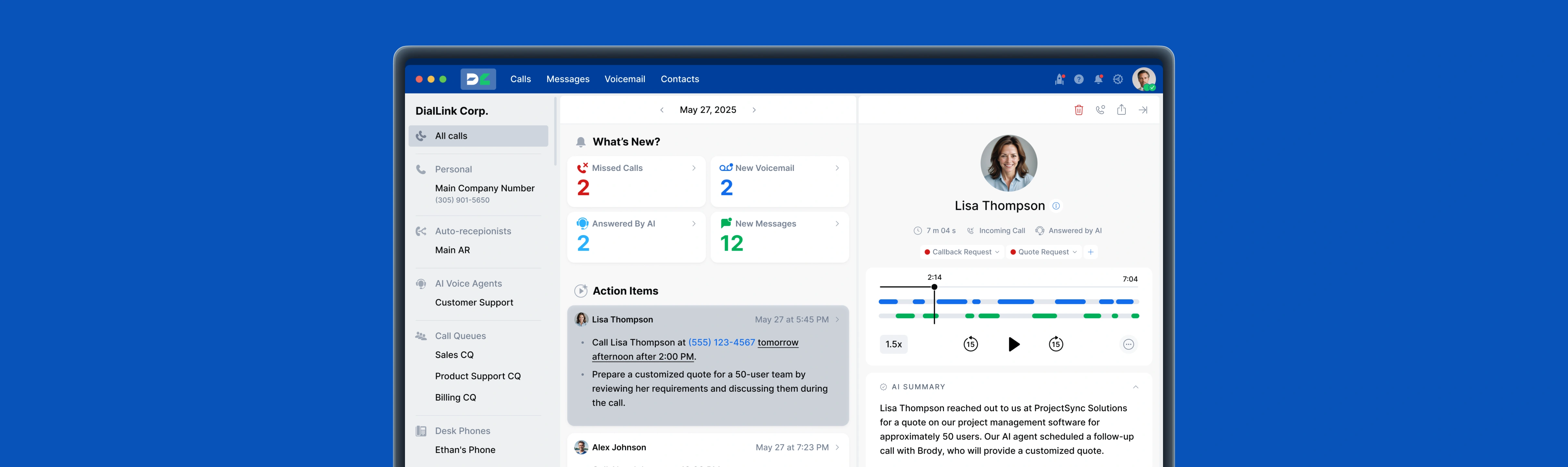
What Is a VoIP Phone System?
Read about what a VoIP phone system is, how it outperforms traditional setups, and the main ways it’s used in everyday communication.
October 20, 2025
16 minutes

What Is a Virtual Phone System?
Learn what a virtual phone system is, how it works, and why it’s becoming the preferred communication solution for modern businesses.
October 17, 2025
10 minutes

What is Cloud Contact Center? Benefits, Features, and How It Works
A cloud-based call center offers small businesses a flexible and cost-effective alternative to traditional setups. Let’s explore what it is and how it operates.
September 18, 2025
14 minutes